
Drip System Repair & Replacement in Phoenix
We repair and replace drip irrigation systems across the Phoenix metro — fixing leaks, splicing damaged tubing, adding pressure regulators, and replacing systems that have reached the end of their life. If your plants look dehydrated or you’re chasing one leak after another, we’ll diagnose the system and tell you honestly whether a repair or a full replacement is the better value.
How drip systems work here in the Valley
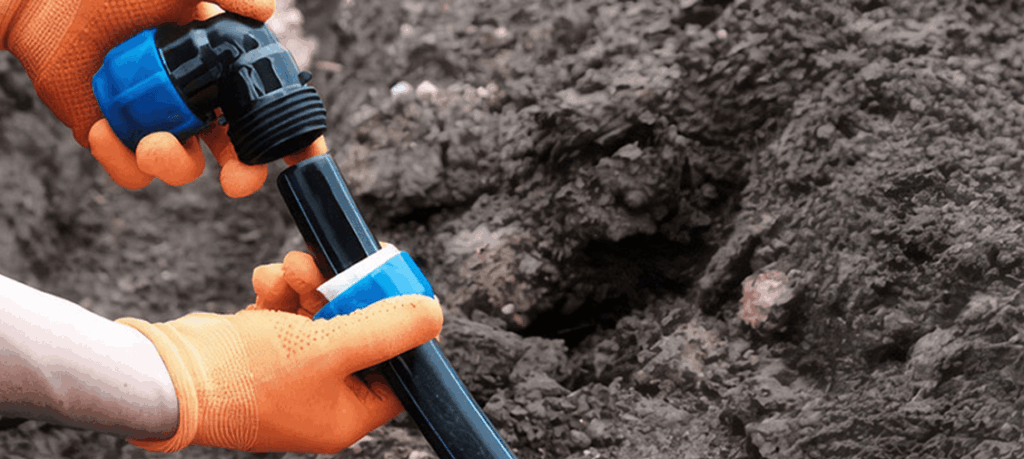
Most drip systems in the Valley are built with soft, flexible black tubing — a polyethylene plastic buried underground to protect it from Arizona’s intense sun. Not all tubing is created equal, and its lifespan depends on a number of factors:
- Brand and material used in manufacturing
- Age of the pipe when it was installed (tubing that sat in a hot storage facility for a couple of years
starts life already aged) - How and where it was stored before install — shaded building versus out in the sun
- Design specifications and the quality of the installation
Most drip tubing lasts 10–15 years, but real-world lifespan ranges widely — from as little as a few years to well over 15 — depending on the factors above.
How to gauge the health of your tubing
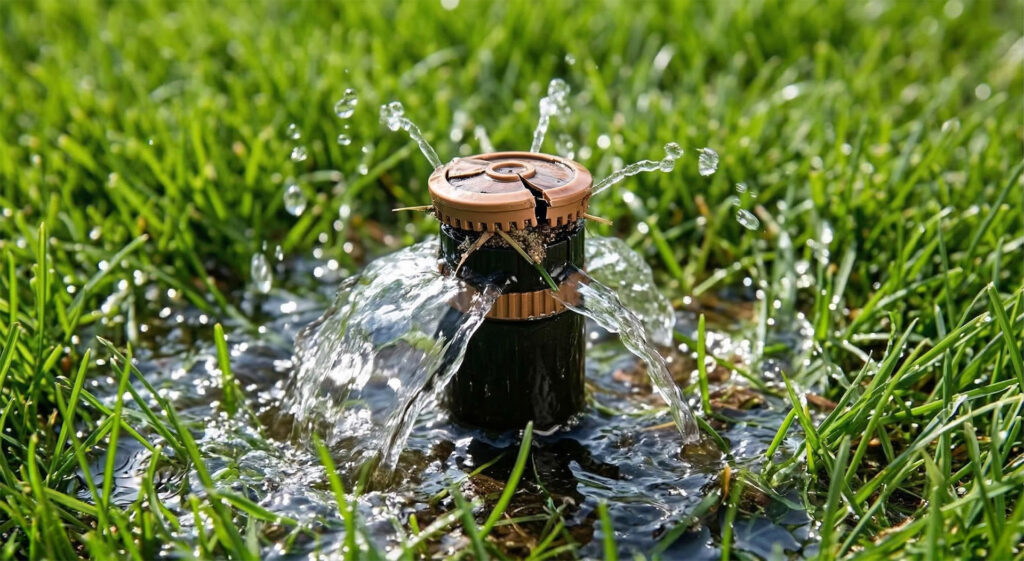
The best way to judge your tubing is to track it over six months to a year:
- Three leaks a month? It’s time to get a quote and replace soon.
- A leak or two a year? Plan for replacement in the next year or so.
- It also comes down to your own tolerance — some homeowners replace at one leak every two years, while others aren’t bothered by a leak a month.
Repairing a leak
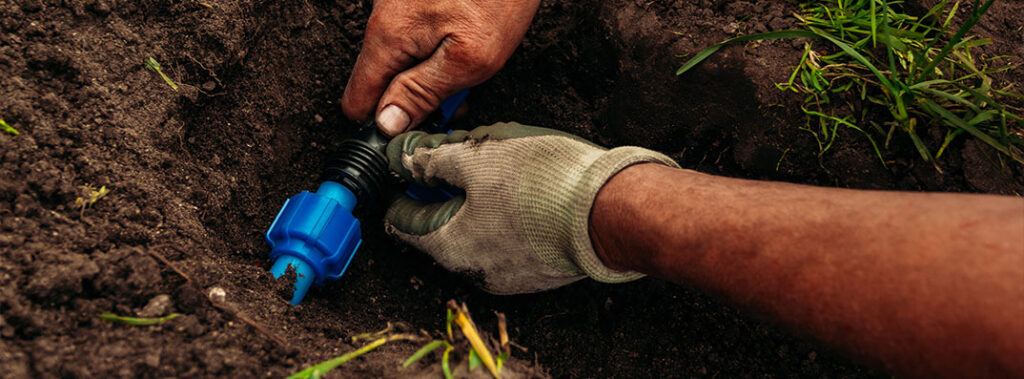
Drip tubing is patched by cutting out the damaged section and splicing in a new piece with special drip couplings (couplers) that lock the new section in place. Repairs are usually quick and the material cost is low. But if your system develops multiple leaks at once — or it feels like a constant game of “Whack-aMole” — it’s likely time to replace it. Give us a call for a free quote.
Repair vs. replace — an honest take
A couple of things we want every customer to understand:
- Tubing is made by extrusion, and tiny imperfections add up. A section can have microscopic flaws that still pass pressure testing at install but, after 10+ years, start failing before the rest of the line. The first failure is usually small and easy to patch — then another section nearby goes (it might be days or months later). Because nothing is visibly wrong and the failure is internal, it’s tough to diagnose. Once you see repairs clustering close together, we’ll advise replacing that section, then the whole system soon after.
- Patching can quietly cost more than replacing. We love our repeat customers and we’ll support whatever repair is right for you — but we’ve watched homeowners spend more on years of patches than a brand-new line would have cost. Caught early, replacement is often cheaper over the long run.
Why a healthy system is worth it
The landscape at your home isn’t the size it was when you planted it. Replacing a mature tree to match the 10-year-old one in your backyard isn’t $200 — it can run into the thousands, if that size is even available. A reliable automatic watering system is a small investment by comparison, and mature landscaping is proven to raise property values. Don’t let a failing irrigation system erode the value of your property
A note on pressure regulators
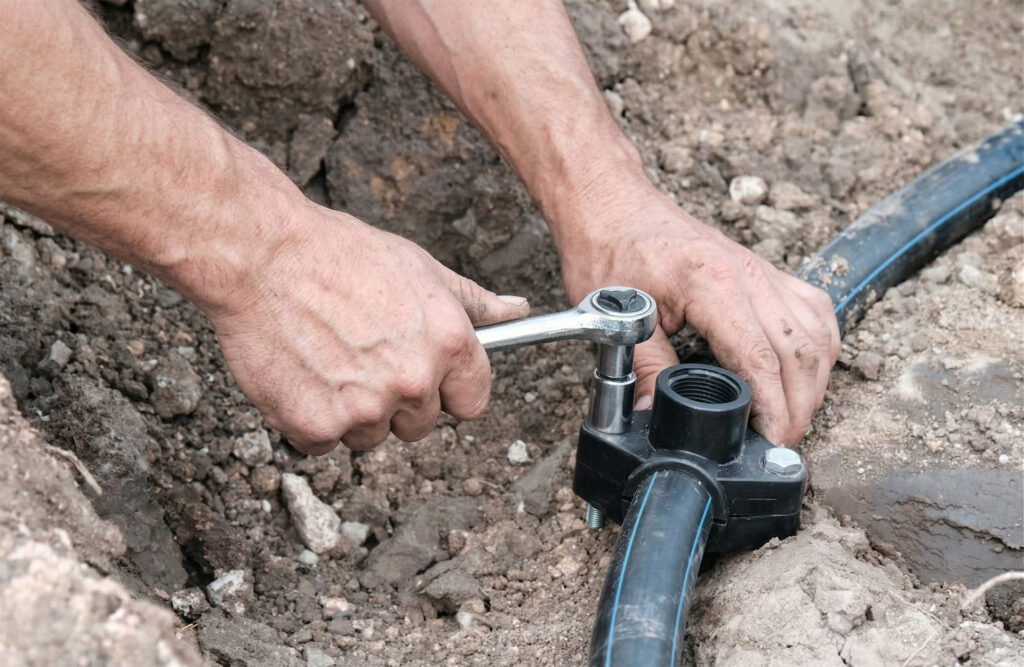
Industry standards call for drip systems to run through a pressure regulator that drops the pressure to 20–30 psi — roughly half of standard residential water pressure, which is about 50 psi in most municipalities (it varies by city). A drip zone without a regulator is prone to premature failure and other high-pressure problems. Each drip zone should have its own regulator installed after the valve. If yours doesn’t, call us and we’ll get one in.
How much does it cost to replace a whole drip system in Phoenix?