
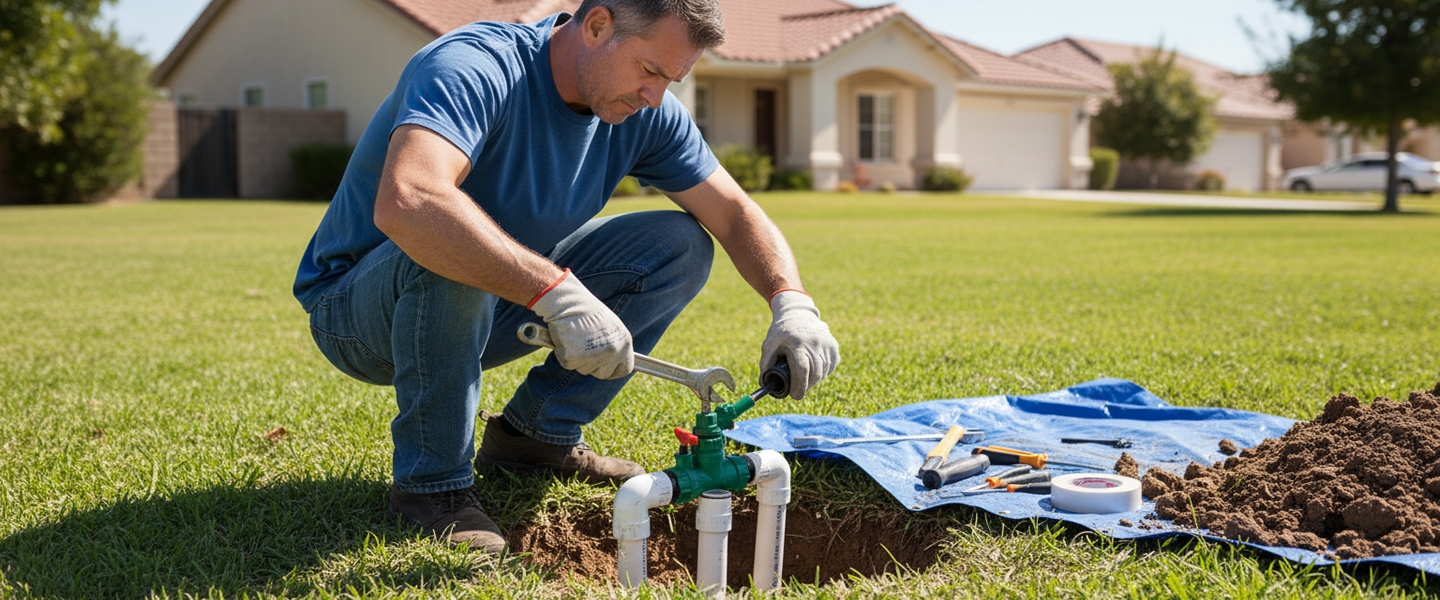
Understanding the different types of valves on your irrigation system
If you have a sprinkler system, you may want to know about the different types of valves used for home irrigation systems. If you are planning a new system, this information can help you as well. Certainly if you need irrigation valve repair, this may give you some of the answers you need.
Irrigation Valve Longevity
Most residential valves (90% plus) are molded out of heavy duty plastics. These plastic valves are rated to handle water pressures over 100 psi, although sprinkler systems cannot withstand such high pressure. That’s good news because it implies that the typical valve is stronger than it really needs to be.
Like anything manufactured, different brands and styles of valves can have very different life spans. Durability is reflected in the quality of the diaphragm, casting, solenoid and wiring. These aspects affect the longevity and lifespan of the valve.
Most professional valves will last for many years. However, there are several things that homeowners should know that can help their systems last long.
- For valves above ground, homeowners should keep the area clean of roots, weeds and debris. In fact, it is best to put a cover on them to reduce the chances of accidental damage.
- All valves have wearable parts that may need to be replaced over the years. Examples include diaphragms, o-rings, and solenoids. We’ve found that replacing the diaphragms every 5 to 7 years can keep the valve working longer. This is why irrigation system maintenance is so important.
- Regular backflow testing by professionals, such as SprinklerDoctors, is important to ensure your water supply is protected.
- Valves over 10 years old should be assessed for proper function. It may need to be replaced.
Irrigation Shut Off Valves
Shut off valves are the most essential part of an irrigation system. It is important to locate your shut off valve and ensure its proper function in case of emergencies.
Made of brass or PVC, the most common types of shut-off valves are known as Gate valves (multi turn) and Ball valves (1/4 turn). Our team uses these valves often. It’s how we prepare the system to do maintenance or repairs.
As the name implies, a shut off valve allows you to turn water off in case of an emergency. Over time valves can seize or freeze up due to the accumulation of minerals from the water passing through. This can cause rusting and corrosion due to age.
Large leaks can be expensive, wasting water and running up the water bill. Plus too much water can actually kill certain plants. For these reasons and more, it’s essential that you have a proper and operational shut off valve.
How Shut Off Valves Work: These valves were made to be easy to use. They should turn to the off position without too much effort. However, it is possible that the home owner cannot make the water stop flowing even if they utilize the valve. That’s when it’s essential to call in experts for irrigation valve repair.
Sprinkler Backflow Valves: In-Ground or Anti-siphon Valves
Backflow prevention is important to maintaining clean water for your home. In fact, it’s so important that Arizona municipalities require backflow prevention devices to maintain water supply purity.
Backflow devices must prevent irrigation water from contaminating potable drinking water. Irrigation water can become contaminated when it comes into contact with fertilizers and pest control products. It can be contaminated by insects, animal feces and other naturally occurring waste.
Fresh water enters your home either on the side or in front of the house. Typically near that inlet to the house, a T fitting is installed to branch off to the irrigation system.
It is at that point the backflow preventer needs to be installed. This backflow prevention device maintains separation between any water leaving the main line into the house to the irrigation system.
The backflow device allows water through, but does not allow it to get sucked back even under pressure. This protects both your home water supply and the main waterline.
Types Of Irrigation Control Valves.
In Line Valves (Straight Line)
In-line valves sit in a valve box below ground. The water comes in on one side of the valve and goes out in a straight line on the other side. These in-ground valve boxes keep the equipment out of the sun. Even more important, it keeps them protected from getting kicked by a human foot or knocked by a lawn mower.
Anti-Siphon Valves (U Shape)
Anti-siphon valves sit above the ground in order to work properly. Water comes up into them. It circulates through and back out of the valve. You can think of this as an upside down “U Shape” of water flow. An internal float provides an air gap when the anti-siphon valve is off to prevent backflow through the valve.
Anti-siphon valves in Arizona typically do not last as long as in line and in ground counterparts. They sit surrounded by heat up above the ground. Full Arizona sun takes its toll as well.
For protection, people often work to shade these valves with plants. You can purchase hollow, fake rock covers to reduce the effects of the Arizona sun. Any measure taken to protect these valves will prolong their lifespan.
Contact Sprinkler Doctors
Please reach out if you suspect that your system needs valve repair. For any additional questions about valves, their maintenance and function, we are happy to discuss how your system works.